
How Roofing Affects Your Home’s Energy Efficiency
The clients of Demuro Roofing can write this blog themselves because at our company, we lay huge stress on improving the energy efficiency of your home. With our regular inspections, there will never be a moment in which your home will suffer and your bills will be unncessary. For others, we have put together this guide that ensures you protect your home’s energy system.
It Is Not Just About Shingles
Most people think of a roof as a cover. Something that keeps rain out and snow off. Energy efficiency usually gets blamed on windows or insulation, not the roof. In reality, the roof plays a much bigger role than most homeowners realize.
The roof is the largest exposed surface on a house. It takes the full hit from sun, wind, cold, and moisture. If something is off up there, even slightly, the house below feels it.
Small Gaps Create Constant Air Loss
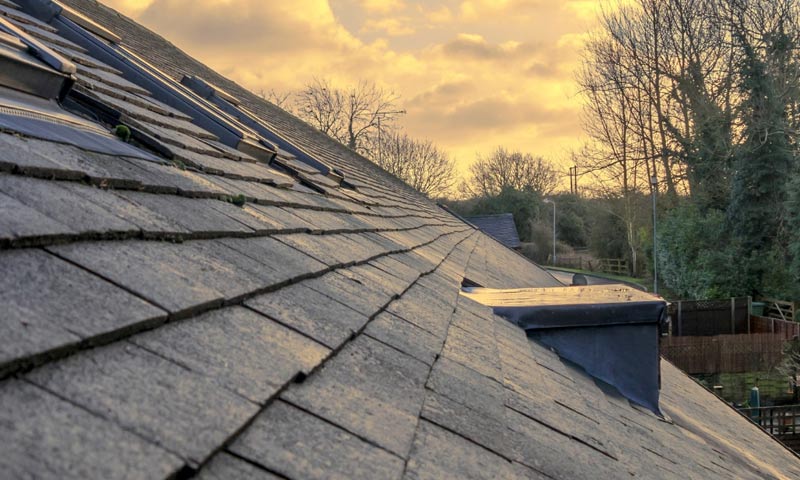
A roof does not need a hole to leak air. Small gaps around flashing, aging shingles, or worn sealant are enough. Warm air rises. In winter, it pushes upward and escapes through weak points in the roof. In summer, hot air settles into the attic and pushes down into living spaces.
Heating and cooling systems then have to work harder to balance things out. The thermostat stays the same, but the system runs longer. Over time, that extra run time shows up on energy bills.
Insulation Only Works When the Roof Supports It
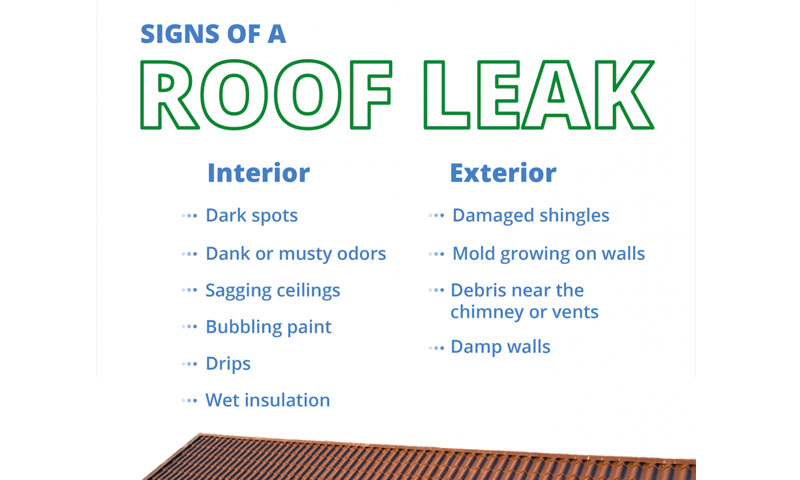
Insulation is often blamed when homes feel drafty or hard to cool. What many people miss is that insulation relies on a solid, dry roof to work properly. When moisture enters through roofing issues, insulation absorbs it. Wet insulation loses effectiveness fast.
Once that happens, the attic becomes a problem area. Heat builds up in summer. Cold settles in winter. The house struggles to hold a steady temperature, no matter how well the rest of the system is set up.
Ventilation Gets Disrupted Without People Noticing
Roofing problems often affect attic ventilation without making it obvious. Blocked vents, damaged ridge systems, or poor airflow trap heat and moisture. This creates a cycle because heat builds up and materials wear out faster. Shingles age sooner than they should. That trapped heat also pushes into living spaces below.
Roofing Materials Make a Difference Over Time
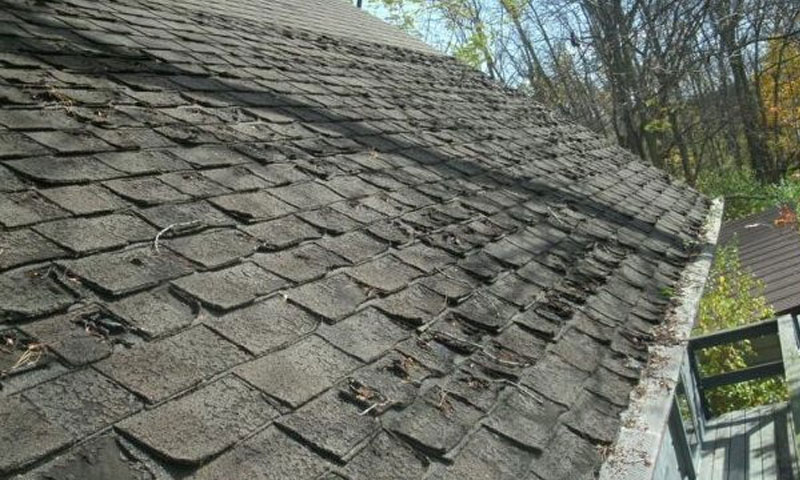
Not all roofing materials react to heat the same way. Dark, worn surfaces absorb more heat. Aging materials lose reflective properties. Over time, this increases attic temperatures and indoor heat gain.
A roof that once performed well can slowly become less efficient as materials break down. Homeowners often assume rising energy costs are normal. In some cases, the roof is quietly contributing to the problem.
Damage That Seems Minor Can Affect Comfort
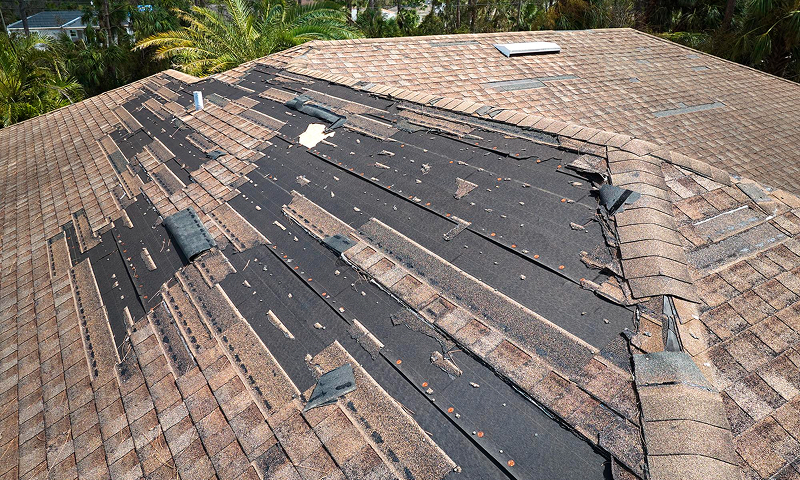
A lifted shingle or small flashing issue does not always cause a visible leak. It can still allow air movement and heat transfer. These small changes shift how the home feels. Certain rooms become harder to cool. Floors feel colder in winter. Temperature differences show up from room to room.
These comfort issues are often the first sign something is wrong with the roof, even before damage becomes visible.
Efficiency Starts With Roof Condition
Energy efficiency is not only about upgrades. It starts with conditions. A well-maintained roof supports insulation, ventilation, and temperature control. When roofing issues are addressed early, the entire system works better.
Many homeowners spend money chasing efficiency inside the house while ignoring the roof above it. That usually leads to frustration. The roof does more than protect the home from weather. It helps regulate how the home feels every day. When it works properly, energy stays where it belongs. When it does not, the house constantly fights to stay comfortable. So, with Demuro Roofing at your disposal, make sure you get proper checks done. Get in touch with us now for any questions.